The Zelensky Trump Meeting: A Global Reaction
The Zelensky Trump Meeting: A Global Reaction
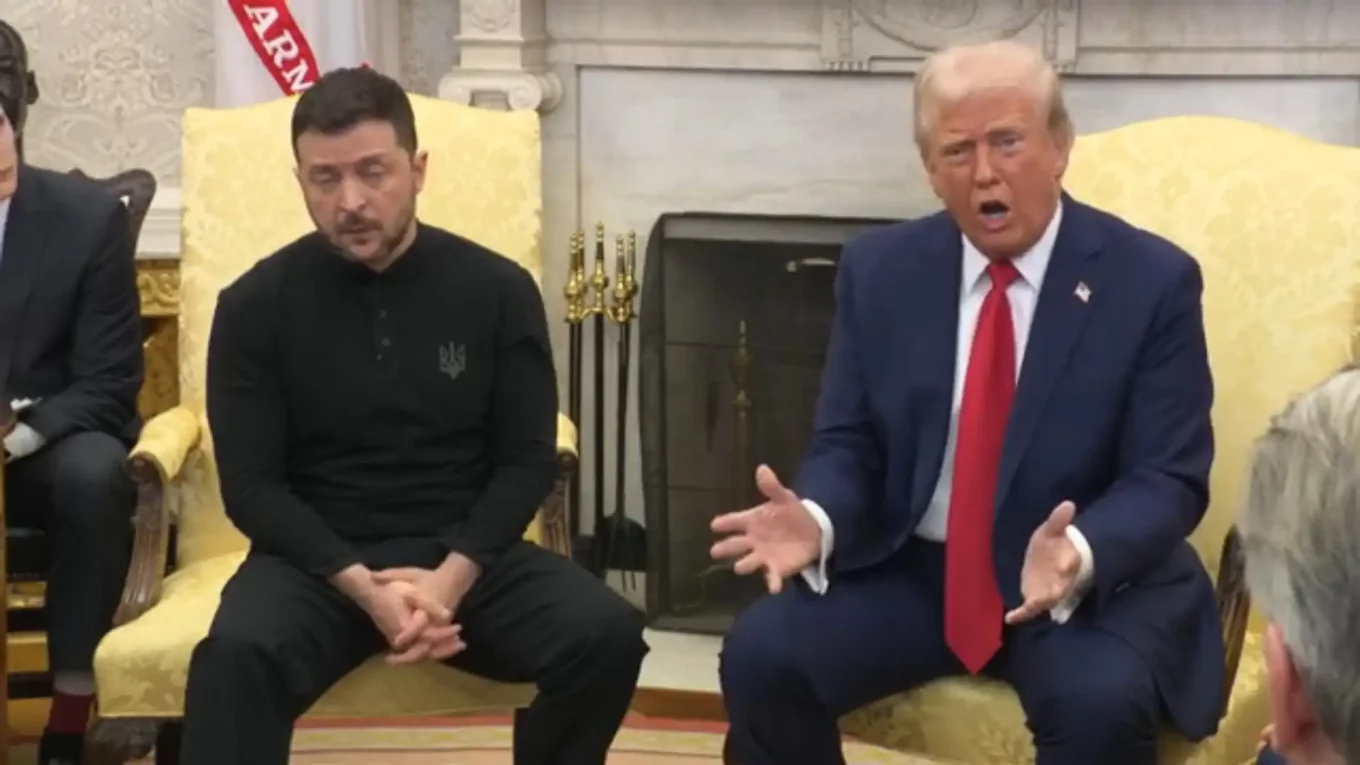
The recent meeting between President Volodymyr Zelensky and President Donald Trump has captured worldwide attention, sparking intense discussions across global media. This encounter, held on February 28, 2023, in the Oval Office, was supposed to culminate in a significant resource agreement that would see American presence on Ukrainian soil. However, it ended in controversy, raising questions about diplomatic relations and military support.
The Context of the Zelensky Trump Meeting
In the lead-up to the meeting, it was anticipated that President Zelensky would sign a resource agreement with Trump that would facilitate the exploitation of Ukraine’s natural resources in exchange for military assistance. This agreement was seen as a potential security guarantee from the United States, a crucial ally for Ukraine amidst ongoing conflicts.
Upon his arrival at the White House, Zelensky was welcomed by Trump and J.D. Vance, a figure within the Trump administration. However, the meeting quickly descended into a heated argument, with Zelensky engaging in a fierce exchange with both Trump and Vance. This confrontation was broadcasted live, capturing the attention of the American media and the world.
The Heated Exchange
During the meeting, Trump made a pointed remark to Zelensky, stating, “You need to be grateful. Your people are dying. You say you don’t want a ceasefire; I do. I gave you Javelins to wipe out those tanks; Obama gave you sheets. You need to be more grateful because trust me, you have no cards. With us, you do, but without us—nothing.”
This statement underscores the complex dynamics of U.S. foreign policy and the expectations placed upon Ukraine in terms of gratitude and military cooperation.
Trump’s Stance on Diplomacy
When pressed by reporters about America’s stance in the ongoing conflict, Trump continued to emphasize his narrative. He stated, “Do you want me to say terrible things about Putin? And then say, ‘Hi, Vladimir, how are we doing with our deal?’ It doesn’t work that way. I have a deal with the United States and the world, and I want to end this.”
Trump’s comments reflect a broader skepticism towards traditional diplomatic approaches, suggesting that a more aggressive stance may be necessary to achieve peace.
Zelensky’s Response
In response to Trump’s assertions, Zelensky pointed out the futility of diplomatic discussions with Putin, recalling a previous agreement that had been violated. “We signed a deal with Putin. We had discussions in 2019 with Angela Merkel and Emmanuel Macron, and he broke the agreement. What diplomacy are you talking about, J.D.?” he questioned.
This exchange highlights the frustration felt by Ukrainian leadership regarding the efficacy of negotiations with Russia and the need for tangible support from allies.
The Implications of Military Aid
Vance, in his rebuttal, argued that the previous administration had been vocal against Putin, yet the invasion of Ukraine still occurred. He emphasized that the path to peace lies in diplomacy, contrasting it with Trump’s approach. “For four years, we had a president who spoke firmly about Putin. And then Putin invaded Ukraine and destroyed a significant part of the country,” Vance noted.
Zelensky countered by stating that the repercussions of the conflict would eventually be felt in America, albeit with a delay due to geographical distance. Trump retorted, insisting that Zelensky was not in a position to negotiate, stating, “You don’t have the cards; you are trading the lives of millions and a potential World War III.”
The Aftermath of the Meeting
Following the heated discussions, Zelensky departed the White House without signing the anticipated agreement. He released a brief statement expressing gratitude while underscoring Ukraine’s need for peace. Trump, on the other hand, expressed doubt about Zelensky’s readiness for peace, suggesting that the Ukrainian leader felt empowered by U.S. support.
This meeting has drawn reactions from world leaders, including former Polish Prime Minister Donald Tusk and Spanish Prime Minister Pedro Sanchez, who reiterated their support for Ukraine in light of the discussions.
Conclusion
The Zelensky Trump meeting has not only highlighted the complexities of U.S.-Ukraine relations but has also raised critical questions about the future of diplomatic negotiations in the context of military conflicts. As the world watches closely, the implications of this encounter will undoubtedly resonate in international relations for years to come.
What are your thoughts on the Zelensky Trump meeting? Do you believe that diplomacy can lead to a resolution in Ukraine? Share your opinions in the comments below or connect with us on social media for more updates on this evolving story.